
Protect Your Doors From Rust — From the Inside Out
A preventive corrosion-protection treatment for vulnerable internal door panels and cavities using 3M Cavity Wax Protection. Authorized 3M Car Care Studio Thane · Genuine 3M Products | Professional Application.
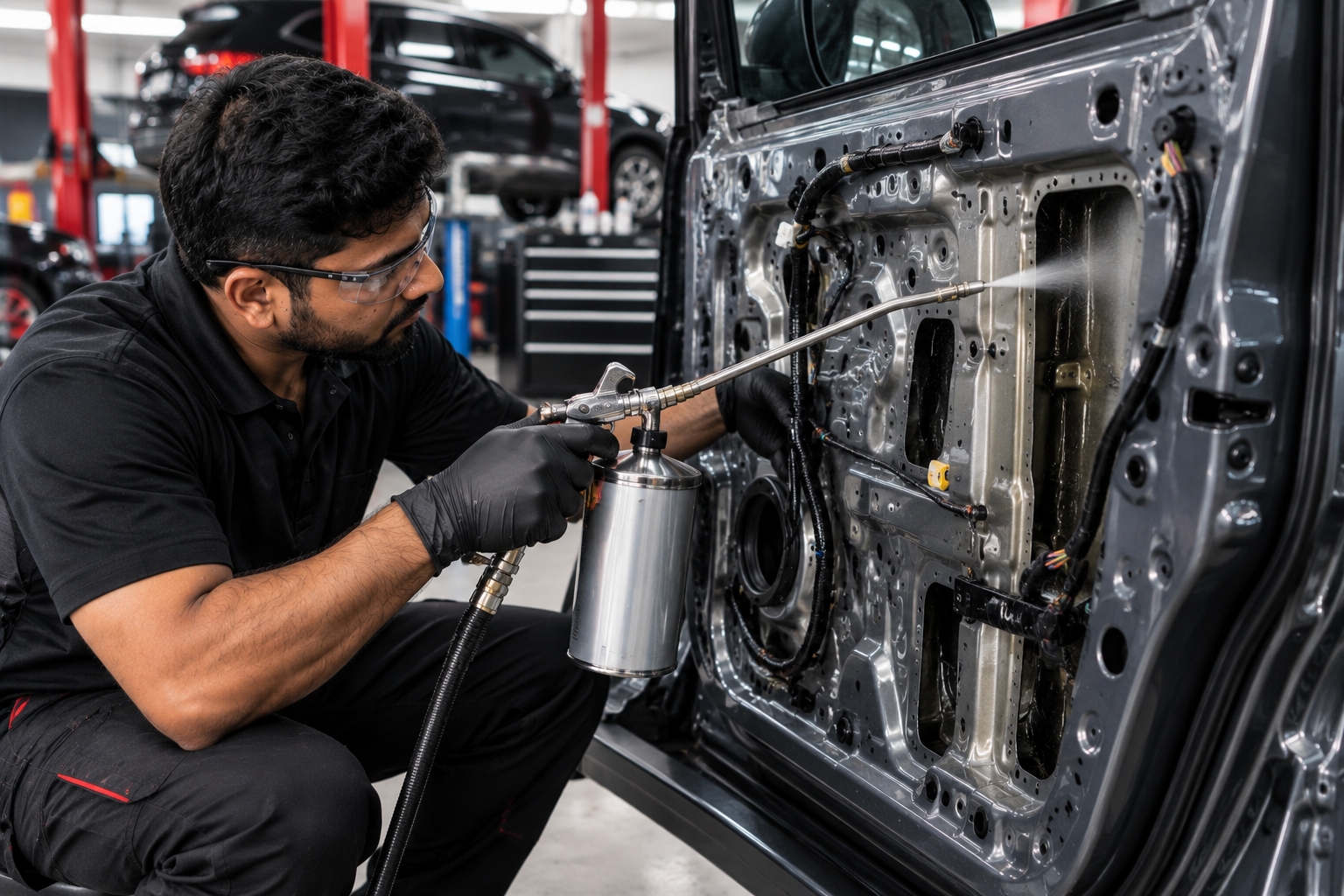
Your door's exterior may look completely clean while the internal structure is exposed to moisture, humidity, dust, drainage water and other contaminants — a combination that adds up to real corrosion risk.
Door structures contain cavities and internal metal surfaces that are difficult to clean or inspect during a normal wash — which is exactly why they're often where hidden rust takes hold first.
Book Free InspectionDamp air and drainage water reach areas a normal wash never touches.
Fine dust and debris settle inside cavities over years of driving.
Water can enter through normal door/window drainage pathways over time.
Cavities and internal panels are difficult to inspect or clean during a normal wash.
Door panel rust protection is a preventive treatment in which an appropriate cavity-protection product is applied to internal metal areas and cavities to help protect them against moisture and corrosion. 3M's automotive range includes 3M™ Cavity Wax Plus, specifically listed within 3M's automotive coatings/corrosion-protection portfolio.
The metal structure inside the door, hidden behind the trim panel.
Enclosed cavities that are difficult to inspect or clean during a normal wash.
Internal metal sections exposed to moisture but hidden from view.
Seams and joins where moisture can accumulate over time.
Other applicable enclosed metal areas identified during inspection.
Cavity wax and underbody coatings are not interchangeable. Cavity wax is intended for internal/hard-to-reach metal cavities, whereas rubberized undercoatings — see our Underbody Anti-Rust Treatment page — are designed for exposed areas subject to road debris, abrasion, stone impact and environmental exposure. 3M separately categorizes cavity wax and undercoating products within its automotive coatings portfolio.
| Aspect | Cavity Wax | Underbody Coating (Underseal / Body Schutz) |
|---|---|---|
| Application area | Internal cavities | Exposed areas |
| Reach | Hard-to-reach metal | Road debris exposure |
| Typical use | Door structures | Abrasion & stone impact |
| Designed for | Moisture & corrosion protection | Environmental exposure |
| Interchangeable? | No — 3M categorizes these separately within its automotive coatings portfolio | |
Six careful steps, with door drainage checked before and after treatment.
We inspect the door structure and drainage areas before deciding on treatment.
Appropriate access points are identified for the door structure being treated.
Applicable surfaces are prepared before application.
An appropriate 3M cavity-protection product is applied to internal areas.
Door drainage pathways are checked to ensure they remain clear so water can continue to drain correctly.
Coverage and application are checked before handover.
Preventive protection before corrosion starts.
Particularly relevant for vehicles exposed to repeated rain and moisture.
Useful after inspection, particularly where there is no existing cavity protection or where previous protection has deteriorated.
Humidity and salt exposure can increase corrosion risk.
Periodic inspection is recommended, especially before the monsoon and during the applicable warranty period.
Properly applied cavity protection should not interfere with designed drainage paths — let us know if you notice pooling.
Correctly applied protection should not interfere with electric window operation.
Treatment must be restricted to appropriate body cavities and kept away from high-voltage components.
Door drainage paths must remain clear. Cavity wax must not block designed drainage pathways — this is a non-negotiable part of a correctly applied treatment. Tell us immediately if you notice water pooling inside a door after treatment.
Periodic inspection is recommended, including a pre-monsoon inspection during the applicable warranty period. Reapplication is carried out only where covered by applicable warranty terms, which apply to the specified treatment and areas according to the written terms — this is not an unlimited guarantee that the vehicle will never develop rust.
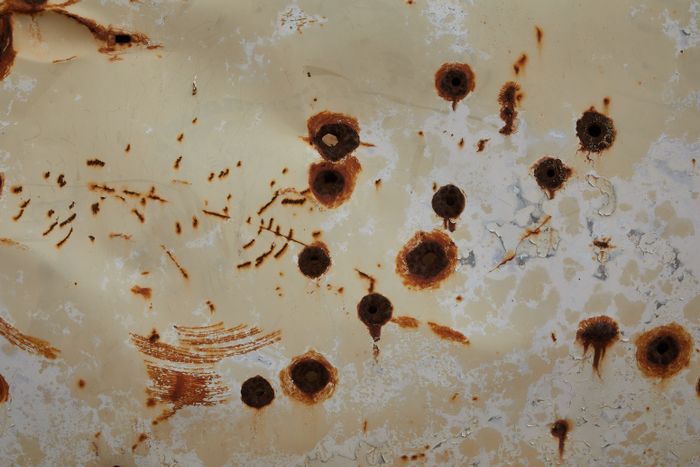

Genuine 3M™ Cavity Wax Plus applied to appropriate internal metal areas after inspection.
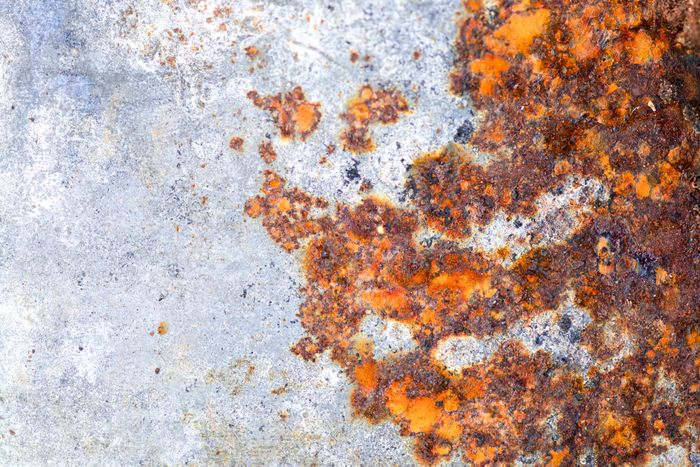
Drainage pathways checked and kept clear so water continues to drain correctly.
It is a preventive corrosion-protection treatment for applicable internal door panels and cavities using an appropriate 3M cavity-protection product.
Cavity wax is designed to protect internal and difficult-to-reach metal cavities from moisture and corrosion. 3M lists Cavity Wax Plus within its automotive coatings portfolio.
Doors contain internal metal cavities where moisture can accumulate. These areas are difficult to inspect and clean during normal washing.
Yes. Water can enter through normal door/window drainage pathways. Proper drainage is essential, but moisture exposure means internal metal areas can still benefit from appropriate corrosion protection.
No. Drainage pathways must remain clear. Proper application should protect appropriate surfaces without obstructing designed water drainage.
It is designed to help protect applicable internal metal surfaces from corrosion, but no treatment can guarantee that rust will never occur.
Yes. It can be used as preventive protection on appropriate internal cavities.
Yes, subject to inspection. Existing corrosion must be assessed before treatment.
Suitability depends on the vehicle's door construction and access points, confirmed during inspection — the appropriate treatment isn't identical for every model.
An appropriate 3M cavity-protection product is applied to internal panels through identified access points, following inspection, cleaning and preparation, with drainage checked before and after.
No. Cavity wax is applied to internal cavities, not the painted exterior surface — it is not a paint-protection or cosmetic product.
No. Cavity wax is intended for internal cavities, while Underseal is intended for exposed underbody areas subject to road debris, abrasion and environmental exposure.
Yes. Periodic inspection is recommended, particularly before the monsoon and during the applicable warranty period.
Treated cavities and drainage pathways are checked for wear, damage or deterioration, and reapplication is carried out only where covered by applicable warranty terms.
Yes, it can be suitable for EVs, because EV doors still contain conventional metal body structures and cavities exposed to moisture. However, treatment must be restricted to appropriate body cavities and must not contact high-voltage electrical components or manufacturer-restricted areas.
No. Treatment is kept away from EV wiring and connectors, and restricted to appropriate metal cavities only.
No, when correctly applied. Treatment should not interfere with electric window mechanisms — this is checked as part of our process.
Yes. Vehicles parked outdoors are more regularly exposed to moisture, which is exactly the kind of exposure this treatment is designed to help protect against.
Yes. Thane's monsoon moisture and humidity make internal cavity protection particularly relevant for cars driven and parked in the area.
The appropriate interval depends on the product, vehicle and applicable warranty terms. We recommend inspection according to the treatment's maintenance schedule, particularly before each monsoon.
No treatment can guarantee that rust will never occur. The purpose is to help protect vulnerable surfaces from moisture, corrosion and environmental exposure.
Yes. Preventive protection can be considered before corrosion develops, subject to inspection and suitability.
Yes. The underbody is repeatedly exposed to rainwater, mud, road debris and contaminants, making preventive corrosion protection particularly relevant.
Cavity wax is a corrosion-protection product designed for internal metal cavities and difficult-to-reach areas. 3M lists Cavity Wax Plus within its automotive coatings portfolio.
No. Cavity wax is intended for internal cavities, while underbody coatings are designed for exposed areas subject to corrosion, abrasion and stone impact.
A dedicated cavity treatment can help protect applicable internal door structures from corrosion.
Yes. A door/cavity-specific treatment can be selected independently following inspection.
3M Rubberized Undercoating/Underseal is an automotive undercoating designed to provide corrosion and abrasion protection for applicable underbody areas.
3M Body Schutz is a rubberized protective coating designed to help protect vehicle undersides against corrosion, abrasion and stone impact while also providing sound-deadening properties.
Both are underbody protection systems, but the appropriate choice depends on the vehicle, existing condition and required protection level. We recommend the product after inspection rather than treating every vehicle identically.
Some 3M rubberized undercoating products have sound-dampening properties and can help reduce road noise.
Heavy existing rust should not simply be covered. The surface condition must first be assessed and appropriately prepared.
Yes. Periodic inspection is valuable, particularly before and after monsoon exposure.
We inspect the treated areas for wear, damage and deterioration and, where covered by the applicable warranty terms, reapply protection to affected areas.
For our warranty programme, we recommend a pre-monsoon inspection every year during the applicable warranty period.
The warranty covers the treatment according to the written warranty terms, including the applicable inspection and reapplication provisions — it is not an unlimited guarantee against all vehicle rust.
Yes. 3M's automotive portfolio includes corrosion-protection products such as Cavity Wax Plus, Rubberized Undercoating, Body Schutz and Rust Preventer Spray.
No. It is intended for appropriate automotive underbody/exposed areas. Product selection and application areas should be determined by the technician.
Not indiscriminately. Exhaust components can operate at high temperatures, so the appropriate silencer treatment must be selected separately.
For vehicles regularly exposed to monsoon rain, moisture, mud and road contaminants, preventive corrosion protection can be a sensible maintenance investment — particularly when the alternative may be expensive corrosion repair.
We provide 3M anti-rust, door cavity and underbody protection in Thane for customers from Ghodbunder Road, Hiranandani Estate, Hiranandani Meadows, Vasant Vihar, Majiwada, Kolshet, Pokhran Road, Balkum, Dosti West County, Rustomjee Urbania, Wagle Estate, Teen Hath Naka, Naupada, Kalwa, Mulund, Airoli, Bhandup and Powai.
If you're searching for 3M anti-rust treatment near me, car anti-rust treatment in Thane, 3M underbody coating in Thane, door panel rust protection, cavity wax treatment, 3M Underseal or 3M Body Schutz, our studio can inspect your vehicle and recommend the appropriate treatment.